
How Arrest Warrants Work in Banks County
An arrest warrant gives officers lawful authority to take a named person into custody. In Banks County, Magistrate Court hears the applications. A judge reviews sworn facts and asks whether probable cause exists, a sound factual basis to believe an offense happened and that this person committed it. Applying, issuing, and serving a warrant are three separate stages. An application alone does not mean a judge signed an order. Even an old copy cannot tell you whether a warrant is still active today. Beyond warrants, Banks County Magistrate Court handles first appearances, bond, extradition, committal, and warrant hearings. A first appearance happens after arrest and covers the accused person's rights, custody, and bond. From there, a case may move to the Superior Court of Georgia for Banks County, which now sits within the Mountain Judicial Circuit.
Banks County Warrant Applications
Banks County Magistrate Court lists warrant applications on its local schedule on Tuesdays unless otherwise noted. That hearing is for people requesting judicial process. It is not a public session for checking warrant status. Filing costs $20, plus $50 for sheriff service, effective July 1, 2026. Those charges belong to the applicant's filing process. They are not a search price, a bond amount, or a fee to resolve a warrant. The official forms page lists a child-abandonment warrant application and no general recall, surrender, or public warrant-check form. That specialized form fits one allegation only. For procedural guidance, call Magistrate Court at 706-677-6270, and confirm the current schedule before you travel.
Arrest Warrants: What They Contain
A warrant and its file can identify the person, the alleged offense, the issuing judge and court, the issuance date, and the warrant number. The supporting application or affidavit may record the sworn basis, while the return documents service. Georgia law allows some information in Banks County warrant records to be sealed, withheld during an active investigation, or redacted.
| Warrant number | A court or agency identifier, sometimes used before a criminal case number exists. |
|---|---|
| Named subject | The person the signed order authorizes officers to arrest. |
| Alleged offense | The accusation supporting the probable-cause request, not a finding of guilt. |
| Issuing court | The judge and court responsible for the order. |
| Bond information | Terms if set; no general Banks County bond table was found. |
| Issue date | The date signed, which is not proof of current status. |
Banks County Records Change Custody
Records move. The Banks County Judge Assignment page describes law enforcement transmitting warrants to the Banks County Clerk of Superior Court, after which a judge is assigned and the file routes to the prosecutor. Before a formal criminal case number exists, documents may show only a warrant number. After bind-over, the original arrest warrant can transfer with the trial-court file. Search with every identifier you have: name, approximate date, warrant number, case number, agency, and court. The official clerk page names the public-records contact.
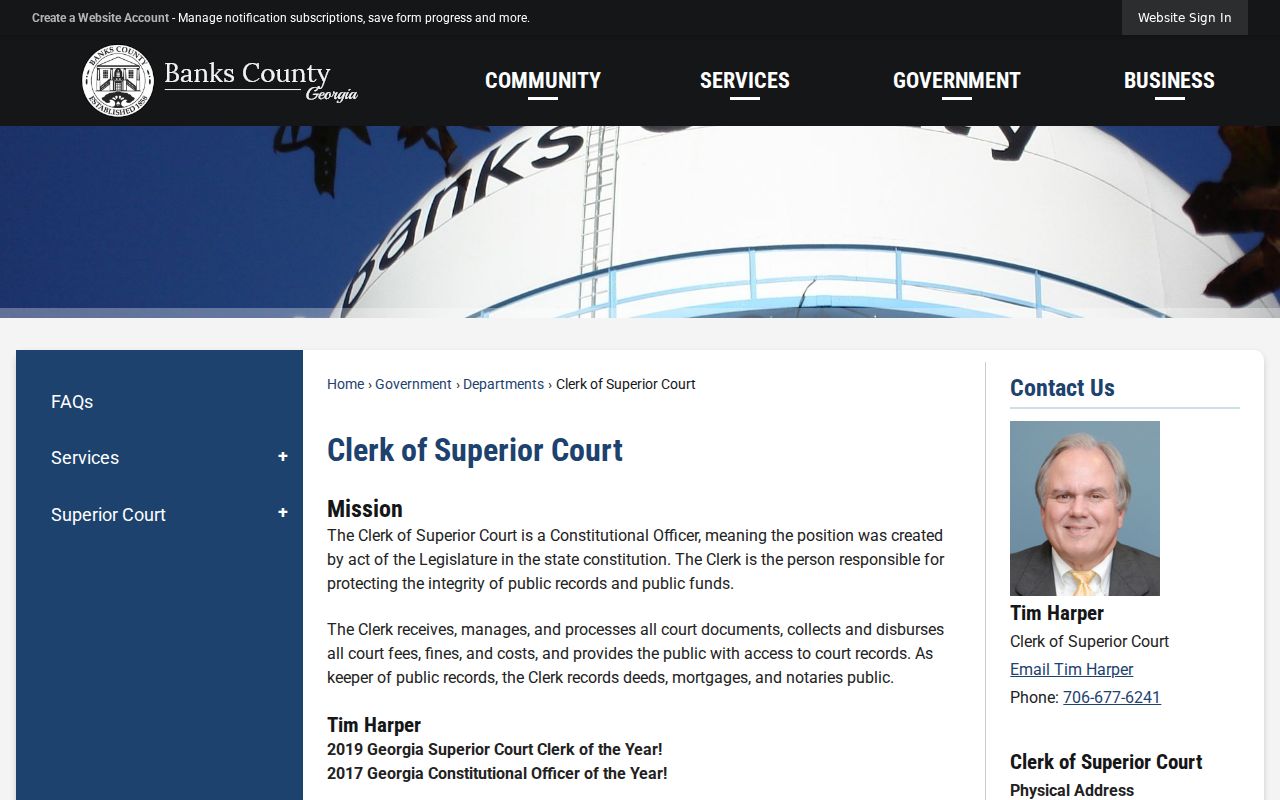
A Banks County clerk record is a strong case lead. For live service status, the sheriff remains the source.
How Warrants Get Served in Banks County
The Banks County Sheriff's Crime Suppression Unit lists Warrant Service among its functions. Officers can serve an arrest warrant during direct contact, a traffic stop, or any other lawful encounter. After arrest, the jail handles central intake, and a judge can hold a bond hearing as the law and charge permit. City police may also act within their own authority, while federal warrants follow a separate federal path. Banks County posts no public active-warrant roster. To check status, call the Sheriff's Office at 706-677-2248. The public address is 160 Windmill Farm Road, Homer, with office hours Monday through Friday, 8:00 a.m. to 5:00 p.m. Ask whether status can be confirmed by phone and what identification or appointment you need before traveling. The county jail page describes the jail's intake and bond-hearing functions.
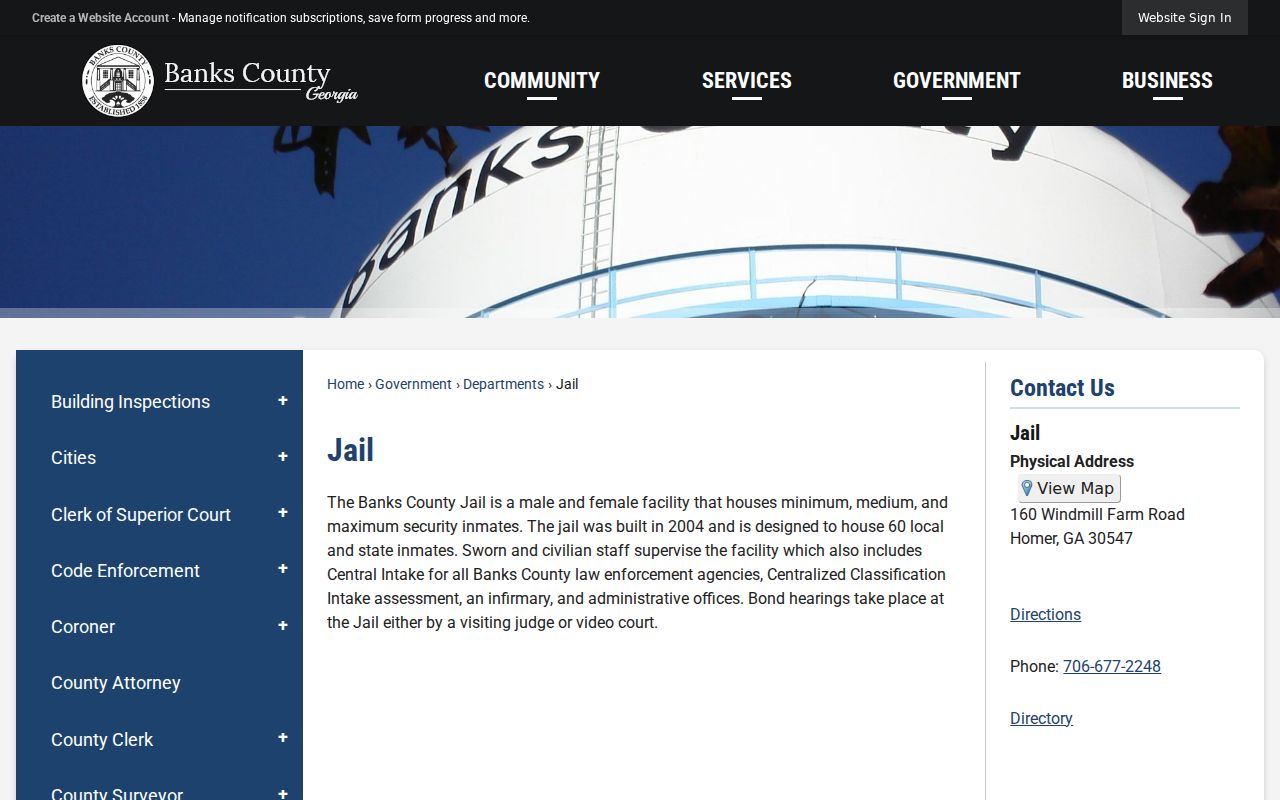
This Banks County custody path follows service, and the county jail page offers no public warrant list or fixed bond amount.
Banks County Arrest Record Requests
Banks County keeps its written warrant trail available through the sheriff's official Open Records page. Start there when you need a copy. Name the record type, the agency, the approximate date, and any warrant or case number. Ask for a fee estimate before any broad request. Use the live form itself rather than a secondhand list of its fields. Georgia's Open Records Act still sets limits. Pending investigative information may be withheld, sensitive details may be redacted, and juvenile records get special protection. A request for an application, affidavit, warrant, or return may therefore produce only part of the file. Production does not certify that a Banks County warrant is still executable. Confirm that point with the sheriff. The Magistrate Court's retention material describes a JB-080 arrest and search-warrant file. Its possible parts include the application recording, affidavit, warrant, evidence, return, and related material. That inventory helps a requester name an existing record. It beats asking for a broad report. Nothing there promises every part is public or still held by Magistrate Court. In Banks County, original arrest-warrant material may also transfer when a case is bound over. The Judge Assignment page notes the shift. Early documents can show a warrant number before the clerk assigns a criminal case number. Supply both identifiers when you have them. Ask the Magistrate clerk about the warrant-stage file, the Superior Court clerk about the later docket, and reserve current service status for the sheriff.
Arrest Warrants, Summonses, and Bench Warrants
An arrest warrant authorizes custody after probable cause. A summons just sets a court date. A bench warrant answers a missed obligation, and in Banks County the difference shapes both the paper trail and the safest response.
| Process | Basis | Response |
|---|---|---|
| Arrest warrant | Judicial probable-cause finding | Legal advice, planned surrender, bond process |
| Summons | Direction to answer a case | Appear as ordered |
| Bench warrant | Missed date or duty | Contact issuing court about recall |
| Search warrant | Authority to search a place or item | Not a person-status result |
The Banks County bench warrant route addresses missed-court orders in more detail.
Banks County Sheriff Status Checks
Call first. Ask whether the Banks County sheriff will confirm an active arrest warrant by phone, what details are safe to give, and which court issued it. Don't show up unannounced. Georgia has no single public statewide warrant search. GCIC is a law-enforcement repository, while Georgia Felon Search concerns convictions and cannot answer a live warrant question.
Current route: The Banks County sheriff posts no official online warrant list. Use the sheriff, the issuing court, and a narrow records request.
Federal questions sit outside the county workflow. Banks County lies within the Northern District of Georgia's Gainesville Division. PACER can show public federal docket material. Sealed or non-docketed warrant activity may not appear there. Consult federal counsel or the proper federal office instead. A jail entry answers a different question too. It records custody at a given time, and it may miss an unserved order or a later court change. Banks County publishes no public bond schedule and no universal surrender window. Ask the sheriff what the current arrest warrant shows. Ask which court controls bond and what procedure applies before anyone travels to the jail or courthouse. After a court action, keep the bond paper, signed order, stamped filing, or receipt. Ask when the court sent the update and which agency received it. Then recheck the arrest warrant with the sheriff. That last comparison matters because a clerk's docket, a records response, and law-enforcement status can update on different timelines.
Handling an Arrest Warrant in Your Name
Silence from a database proves nothing. Confirm the issuing court and the sheriff's current status in Banks County, then talk timing, surrender, and bond with a qualified attorney. The county publishes no countywide bond schedule or guaranteed surrender window. Your facts and charge can change the route.
- Record the agency, court, warrant number, case number, and date supplied.
- Ask the sheriff whether the warrant is active and whether another agency holds it.
- Ask the clerk only for procedure and filed record status, not legal advice.
- Have counsel arrange surrender or seek suitable court relief when appropriate.
- Keep all receipts and orders, then confirm the update reached law enforcement.
Important: An active arrest warrant can lead to custody during police contact. Speak with counsel before an unplanned in-person inquiry.
Banks County Arrest Records Need Verification
Know which office answers which question. The court file shows what was filed and what orders sit on the docket. The sheriff knows whether an arrest warrant is still active and awaiting service. The jail confirms custody and intake details once someone is booked. Related functions, but not the same one, so take each question to the right office in Banks County. Details here were current September 8, 2026, so recheck phone numbers, schedules, records rules, and circuit links before you rely on them. One trap worth knowing: older Banks County material may still point to the Piedmont Judicial Circuit, though the county moved into the Mountain Judicial Circuit on January 1, 2025. A Georgia E-Access result can help you find a public docket, but provider access and account rules vary, and it cannot certify live warrant status. Match the docket to the issuing court and known identifiers first. Then ask the sheriff whether the order can still be executed. A federal concern calls for the Northern District route, not a county search.